
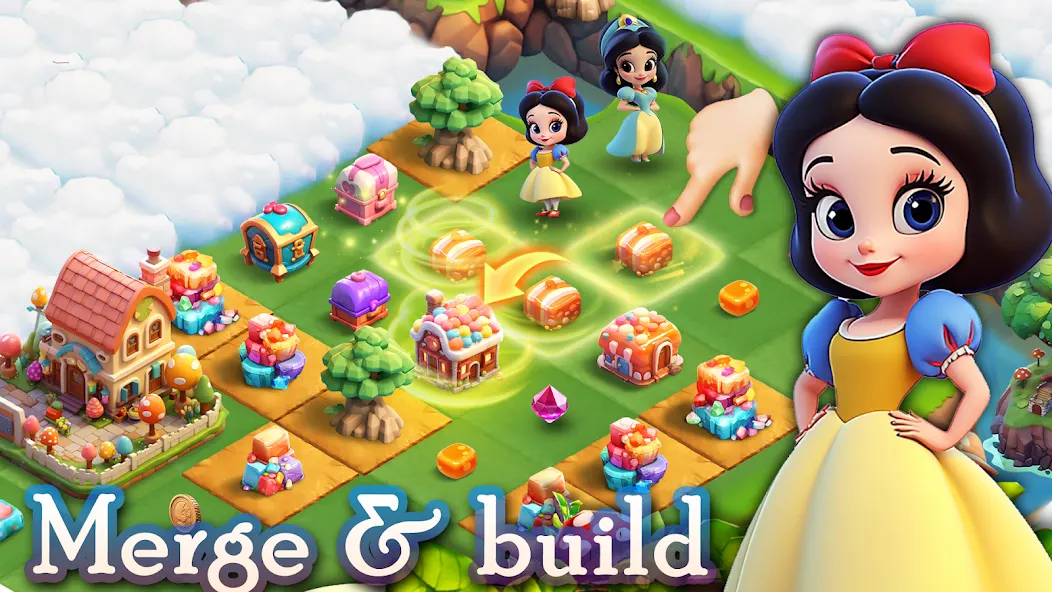
Direct answer
What should you do?
A merge chain is useful when you know its producer, intermediate steps, space cost, and destination. Start from the required item and work backward instead of filling the board and hoping the needed chain appears.
Key takeaways
- Work backward from an order, restoration step, recipe, or event requirement.
- Count space as part of the chain cost.
- Keep intermediate items only when they support a current or near-term goal.
1. Map the chain backward
Identify the required item, its previous level, and the producer or material that begins the chain. This reveals whether the board has enough space and whether another goal already needs the same producer.
Use the in-game discovery and task information as the current source of truth. Item names and requirements may change as events and content evolve.
- Start with the destination item.
- Identify the immediate prerequisite levels.
- Check which producer creates the starting material.
2. Estimate the hidden space cost
A chain occupies more than its final item. It needs low-level pieces, intermediate levels, producer output, and room to complete the next combination. Begin large chains only when the board can hold these stages.
If space becomes tight, pause production and finish the nearest useful merge. Selling or consuming random items can remove a future prerequisite.
- Reserve a working area.
- Group levels from the same chain.
- Pause before the board reaches zero flexibility.
3. Decide what to keep after the goal
After completing an order or restoration step, review the remaining intermediate items. Keep them when the same chain supports a near-term goal or the item is costly to recreate. Otherwise consolidate or use them according to current game options.
A board should reflect current priorities. Historical chains that no longer have a purpose are a common source of permanent clutter.
- Check the next visible tasks.
- Preserve expensive or rare prerequisites.
- Clear routine items that no longer support a plan.
Try this decision
A practical exercise
You need a higher-level item but are unsure which producer to use. Trace the chain before filling the board.
- Read the target item’s current discovery or task information.
- Work backward through visible prerequisites and identify the starting producer.
- Group existing intermediate items, reserve working space and produce only for the chosen goal.
Check the result: Did the batch create progress on the required chain? Pause when the producer or prerequisite is still unavailable.
Illustrative scenario added September 9, 2026. This is a planning exercise, not a recorded test result or a new live-game rule. The version scope above still applies.
Decision table
| Chain question | Evidence to check | Decision |
|---|---|---|
| What do I need? | Current order, story, restoration, recipe, or event | Choose the destination item |
| Where does it start? | Producer and discovery information | Reserve the correct output source |
| Can the board hold it? | Open spaces and intermediate levels | Start, reduce scope, or wait |
| What remains afterward? | Next tasks and recreation cost | Keep, consolidate, or use |
Frequently asked questions
Is there one complete merge chain list?
Chains can expand or change with content and events. Use the current in-game discovery information; this guide provides the planning method rather than an unverified static catalog.
Why work backward?
Working backward prevents unrelated production and shows the real space and producer cost of the required item.
Should I keep every intermediate item?
Keep items tied to current or near-term goals, especially expensive prerequisites. Do not preserve routine clutter without a plan.
Official sources and scope
This guide is based on current official product information and product-team review. Exact values, event rules, and unlock requirements can change; verify time-sensitive details in the live game.
Continue in game
Play Merge Isle
Use the guide as a decision framework, then confirm current values and rules in the live game.