
Direct answer
What should you do?
Keep the board useful rather than full. Maintain open spaces, group active chains, generate items for one or two current goals, and check restoration or order requirements before consuming a rare high-level object.
Key takeaways
- Protect several empty spaces before generating a large batch of items.
- Focus on one or two active chains instead of advancing everything at once.
- Check orders, restoration, and event goals before using a rare or high-level item.
1. Create a board that explains itself
Group related items and producers so the next useful merge is visible. Keep completed high-level items away from low-level clutter, and reserve a small open area for new drops.
A tidy board reduces accidental taps and makes the cost of starting a new chain obvious. If a producer will fill the last open spaces, stop and clear a current goal first.
- Keep active chains together.
- Reserve open spaces before producing.
- Separate rare items from routine materials.
2. Choose the next chain from a real goal
Orders, restoration tasks, princess stories, furniture projects, farming, cooking, and events can compete for the same space and energy. Choose the goal with the clearest useful reward, then generate items for that chain.
Avoid building high-level objects without knowing their purpose. Discovery is rewarding, but a crowded board can turn optional progress into a blocker.
- Read the current order and restoration requirements.
- Estimate how many merge steps remain.
- Pause chains that do not support the next milestone.
3. End each session with options
Before closing the game, complete easy merges, collect items that free space, and leave room for the next reward or producer cycle. Do not begin a large generation sequence when you cannot finish organizing it.
Keep one flexible area so the next session can respond to an event or new order without immediately selling or consuming useful objects.
- Resolve obvious pairs or sets.
- Check whether a reward will arrive on the board.
- Leave enough room to change priorities next session.
Try this decision
A practical exercise
Your board is crowded and an order needs an item from a chain already in progress. Create room around that chain first.
- Read the active order and locate its existing items on the board.
- Complete available useful merges and reserve open space before generating more items.
- Produce in a small batch, consolidate it and stop to reassess the remaining space.
Check the result: Can you still receive a reward or continue the target chain? The exercise is about board flexibility, not a prescribed number of empty tiles.
Illustrative scenario added September 9, 2026. This is a planning exercise, not a recorded test result or a new live-game rule. The version scope above still applies.
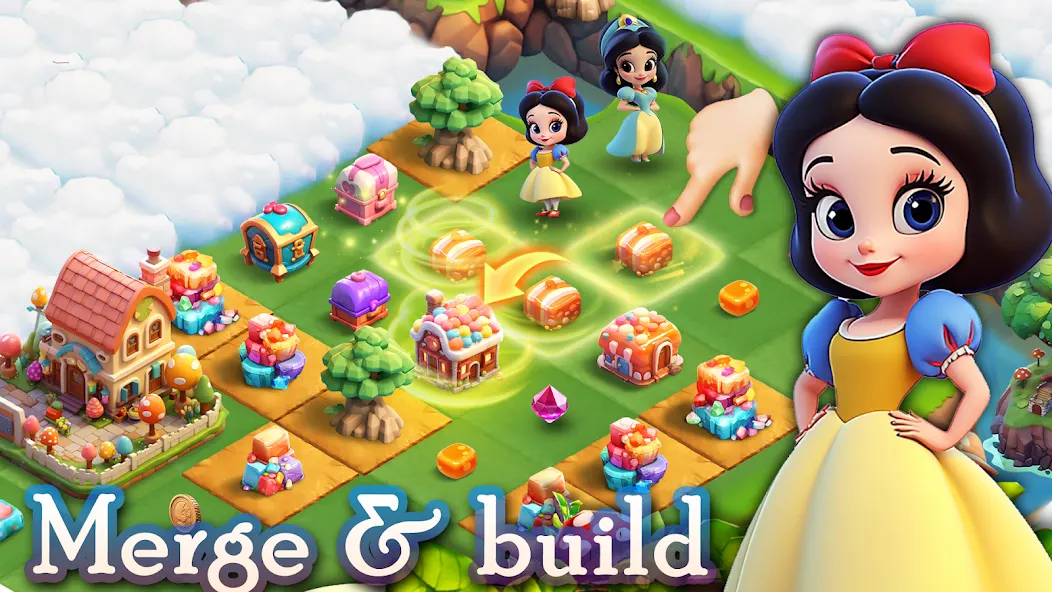
- Center: matching chests are grouped near each other.
- Left side: buildings and items share the available island space.
- Use the current board and task panels to verify the actual combination and its destination.
Decision table
| Board problem | Best response | Avoid |
|---|---|---|
| No open spaces | Finish or pause one active chain | Generating more low-level items |
| Too many chains | Choose the goal with the clearest reward | Advancing every discovery equally |
| Rare item available | Check orders and restoration first | Using it only to free one space |
| Session ending | Organize and leave a flexible area | Starting a producer batch you cannot sort |
Frequently asked questions
How many empty spaces should I keep?
Keep enough room to receive rewards and complete a small producer batch. The exact number depends on the current board and chain, but zero flexible spaces is a warning.
Should I merge every item immediately?
Not always. Check current orders, event goals, and restoration requirements before consuming a useful level.
What should beginners focus on?
Focus on clear goals, one or two active chains, open board space, and steady island restoration.
Official sources and scope
This guide is based on current official product information and product-team review. Exact values, event rules, and unlock requirements can change; verify time-sensitive details in the live game.
Continue in game
Play Merge Isle
Use the guide as a decision framework, then confirm current values and rules in the live game.